Designing 2027 Ready Rooftop Helipads In Bali
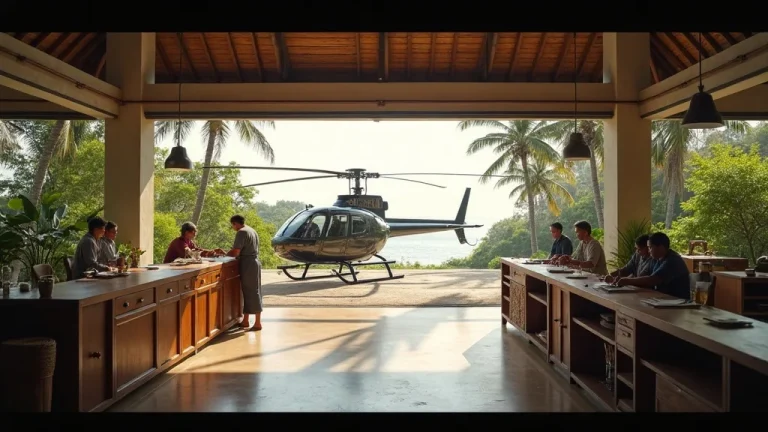
Designing 2027 ready rooftop helipads for Bali hotels means engineering for PM 32/2021 + SKEP/41/III/2010 compliance, future seismic loads, tighter helipad safety oversight Indonesia, and stricter guest-experience expectations. Practically, hotels should assume 12–24 months from concept to first landing, including structural verification, permits, and full heliport safety inspection Bali.
How should Bali hotels future‑proof rooftop helipads for 2027 safety and regulations?
By 2027, inspectors and insurers are expected to focus heavily on traceable design decisions. In Indonesia, rooftop heliports already reference PM 32/2021 and Manual of Standard 139 Volume II (SKEP/41/III/2010), and Bali hotels adding rooftop pads are being asked to show documented risk assessments, obstacle surveys, and written coordination with AirNav for airspace compatibility.
Future‑proofing starts with structure and site selection. The seismic design of rooftop helipads Bali projects must account for local earthquake risk and dynamic rotor loads, not just static helicopter weight. After several moderate quakes in 2022–2025 across the archipelago, hotel investors began requesting independent structural peer review, particularly for towers above 12–15 storeys.
Helipad safety oversight Indonesia is also moving toward continuous, data‑driven monitoring, not “build once, ignore later”. Hotels planning for 2027 should align rooftop design with formal manuals and documented procedures similar to 2027 safety management systems for bali private helipads, including incident reporting, recurrent checks, and version‑controlled operating procedures. Designing these processes in from day one makes later approvals and audits faster and less disruptive.
What structural and layout choices make a rooftop helipad resilient and guest‑friendly?
Structurally, a 2027‑ready rooftop helipad must handle helicopter masses plus impact, vibration, and wind uplift. As of August 2026, engineers in Bali typically design for several helicopter types to preserve flexibility for different AOC operators, using conservative load combinations aligned with current building codes and the MOS 139 Volume II guidance.
Seismic design of rooftop helipads Bali engineers propose often includes additional shear walls, local slab thickening, and tuned load paths to avoid overstressing existing columns. These reinforcements are easier and cheaper if considered during hotel concept planning rather than retrofit. The layout should ensure clear approach/departure paths, compliant safety zones, and non‑slip surfacing with high‑contrast markings visible in late‑afternoon glare, a frequent issue on the west coast around Canggu and Seminyak.
Guest‑friendliness requires managing expectations about helicopter noise and rotor wash. Rooftop positioning can shield main pools and restaurants by using the tower itself as a noise barrier, supported by acoustic modelling. Separation from rooftop bars and popular content‑creation spots is critical; bali content creator safety near helipads is now a design topic, with controlled photo zones and physical barriers that keep guests away from dangerous downwash during operations.
How do fencing, barriers, and smoke control shape a safe rooftop helipad in Bali?
Raised edges alone are no longer enough. Helipad fencing and safety barriers Bali sites use need to balance fall protection, rotor clearance, and pilot visibility. As of August 2026, most new hotel pads incorporate 1.1–1.4 m barriers on non‑approach edges using open mesh or vertical bars to minimize turbulence while preventing falls and restricting guest access.
Hotels must also tackle smoke from kitchens affecting helipad safety. On dense rooftops, exhaust from grills, shisha, and pizza ovens can drift across the final approach and take‑off area, especially in light morning winds and during evening seabreeze reversals common from June–September. Poorly placed ducts can create sudden visibility loss for pilots right at touchdown height.
A 2027‑ready design positions kitchen exhausts well downwind of likely approach paths, raises flues above rotor height where feasible, and specifies high‑velocity discharge caps to promote vertical dispersion. Computational fluid dynamics (CFD) or at least simplified plume modelling during design helps demonstrate to inspectors that hot gases, smoke, and steam will not compromise safe approaches. Clear roof zoning maps then feed into the Heliport Manual required by the Directorate General of Civil Aviation.
How can hotels design safer operations around staff, children, and digital‑age guests?
By 2027, operational design will be judged as closely as concrete strength. Hotels should integrate OSHA style workplace safety near helipads into everyday routines: defined walkways, non‑slip coatings, lighting that avoids glare, and clear separation between service routes and aircraft movement areas. Staff turnover impact on helipad safety is a reality in Bali’s hospitality sector, so systems must tolerate frequent onboarding.
Many resorts now plan vr safety training for helipad staff so new hires can practice marshalling signals, emergency responses, and passenger handling before going on the roof. Safety briefing posters helipad Bali hotels display in staff areas and guest lounges turn complex briefings into simple visual sequences, vital when guests arrive rushed from weddings or conferences.
Child safety on helicopter flights to resorts needs explicit design measures: secure, shaded pre‑boarding areas at ground level, stroller parking that does not block routes, and briefing corners where families can sit while crews fit hearing protection. Offsite helipad shuttle experience design also matters; a confusing or rough shuttle undermines perceived safety before guests even see the pad. Clear wayfinding, consistent messaging, and staff trained to answer nervous questions all help maintain confidence.
In the social‑media era, bali content creator safety near helipads is a design consideration. Rooftops should include designated “photo‑safe” views that feel dramatic but remain outside operational and obstacle limitation surfaces. Strong policies, communicated early, reduce risky behavior like drones or unsecured props near active pads.
How should hotels collaborate with helicopter operators and communicate about risk?
A rooftop pad is only as safe as the aircraft and crews using it. Due diligence on helicopter operator safety Bali hotels perform should include checking that flights are run by licensed AOC operators, reviewing publicly available safety information, and aligning hotel SOPs with operator manuals. Articles on 2027 collaboration models between bali hotels and aoc 135 operators emphasize shared risk assessments, joint drills, and clear responsibility matrices for delays, diversions, and emergencies.
Formal heliport safety inspection Bali cycles (internal and external) should be scheduled at least annually, with findings logged and corrective actions assigned. This supports the continuous oversight requirement noted in DGCA guidance on heliport monitoring. Hotels can strengthen resilience by agreeing with operators on bad‑weather go/no‑go criteria and diversion helipads before the first landing, then explaining these limits in guest materials.
Client communication about safety after accidents anywhere in Indonesia is crucial. A well‑prepared hotel can quickly share factual statements about its own safety measures, inspections, and operator vetting without speculating on unrelated incidents. Transparent communication reduces cancellations and rumors, especially for corporate and high‑net‑worth guests who demand evidence of robust, documented safety practices.
Can rooftop helipads blend into Bali’s landscapes without sacrificing safety?
Many Bali hotel investors want helicopter access without visual clutter. Camouflage design for helipads to blend into landscape is possible if functional markings remain compliant. Designers can use earth‑tone or stone‑texture finishes outside the touchdown and lift‑off area, integrate planters and low greenery on non‑critical surfaces, and align pad geometry with existing architectural lines.
Approach lighting can be shielded and aimed to prevent glare toward neighbors, while still giving pilots sufficient cues. Managing expectations about helicopter noise includes honest pre‑booking information, recommended operating hours to avoid religious ceremonies, and transparent coordination with local community leaders (banjar). Noise maps prepared early help place the pad and routes away from temples, yoga decks, and quiet‑zone villas.
To support long‑term regulatory trends, hotels can embed digital monitoring—such as landing counts and exceedance reporting—into their rooftop design, feeding into broader 2027 safety management systems for bali private helipads. Well‑designed access control, CCTV, and simple, durable safety signage in English and Bahasa Indonesia complete a low‑profile yet highly controlled environment that satisfies regulators, neighbors, and brand teams.
- Concept‑stage flight path and obstacle assessment, including AirNav (LPPNPI) coordination and KKOP checks where relevant.
- Structural review addressing dead loads, rotor loads, and local seismic design of rooftop helipads Bali high‑rise structures.
- Drafting of Heliport Manual aligned with PM 32/2021 and MOS 139 Volume II (SKEP/41/III/2010) for permit submissions.
- Design of helipad fencing and safety barriers Bali‑appropriate, including controlled guest access and worker protection.
- Noise, smoke, and exhaust interaction study so smoke from kitchens affecting helipad safety is minimised by layout.
- Integration planning with licensed AOC helicopter operators plus hotel SOPs and safety briefing posters helipad Bali teams use.
- Optional VR safety training scenarios and offsite helipad shuttle experience design for high‑touch guest journeys.
Frequently asked questions
how much does designing 2027 ready rooftop helipads for bali hotels cost in Bali?
As of August 2026, concept‑to‑tender design for a rooftop helipad on an existing hotel typically adds USD 80,000–250,000 in professional and investigation fees, excluding construction. Total build costs can range from USD 500,000–3,000,000 depending on structural strengthening, access lifts, fire systems, and desired guest experience layers.
is designing 2027 ready rooftop helipads for bali hotels worth it in Bali?
For hotels targeting premium leisure, private events, and villa buy‑outs, a compliant rooftop pad can unlock high‑yield transfers and better emergency access. Value depends on location, expected flight volumes, and community acceptance. Many owners treat it as a long‑term brand and safety infrastructure asset, not just a transport add‑on.
what is included in designing 2027 ready rooftop helipads for bali hotels?
Typically included are feasibility studies, structural and seismic checks, layout and marking design, safety barrier concepts, smoke and noise interaction review, coordination with AOC operators, and support for official documentation. Some hotels also commission procedures, vr safety training for helipad staff, and guest communication templates about helicopter operations.
How do Bali hotels coordinate rooftop helicopter landings during busy seasons like kite festivals?
Hotels work through independent coordinators to liaise with AirNav and DGCA, planning routes and timings around seasonal activities. For example, coordinating bali helicopter landings during 2027 kite season requires extra airspace vigilance, community dialogue, and sometimes time‑of‑day restrictions to avoid kite concentrations and ceremonial airspace use.
Can an offsite helipad with shuttle transfers be as premium as a rooftop pad?
Yes, if the offsite helipad shuttle experience design is deliberate: shaded lounges, consistent branding, clear safety briefings, and comfortable vehicles can create a seamless door‑to‑villa feel. Offsite pads sometimes offer safer approaches and lower noise impact while still delivering a high‑end arrival sequence for families and VIP groups.
For resorts and hotel groups planning serious rooftop helipad engineering Bali projects for 2027 and beyond, the next step is to request a coordination and design briefing via WhatsApp 6281139414563 or bd@juaraholding.com (BD desk Juara Holding Group), including any existing structural drawings and brand standards.
Discuss a rooftop helipad engineering Bali brief with a dedicated coordination team to align structure, safety oversight, and guest experience before committing to construction.
Last updated 4 August 2026